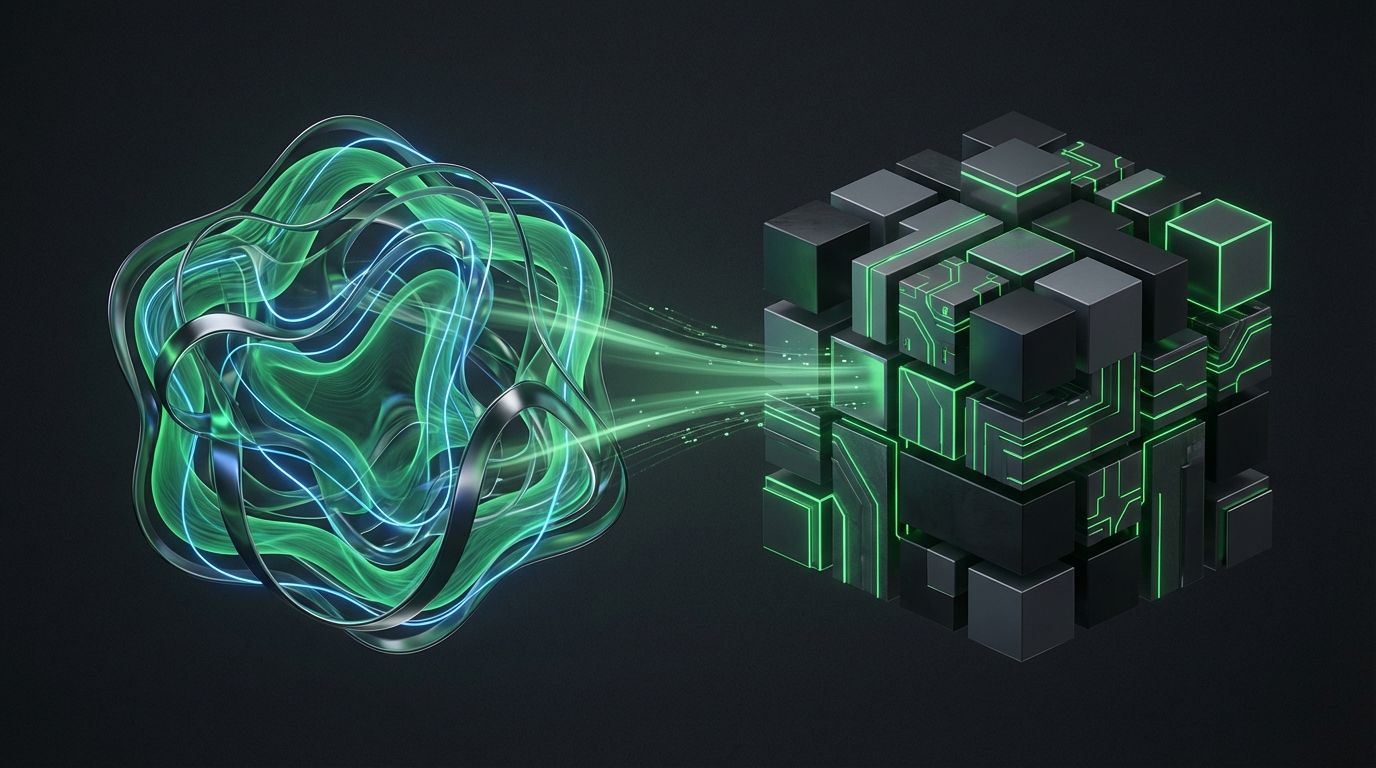
Document Retention for AI Systems: Balancing GDPR and EU AI Act Requirements
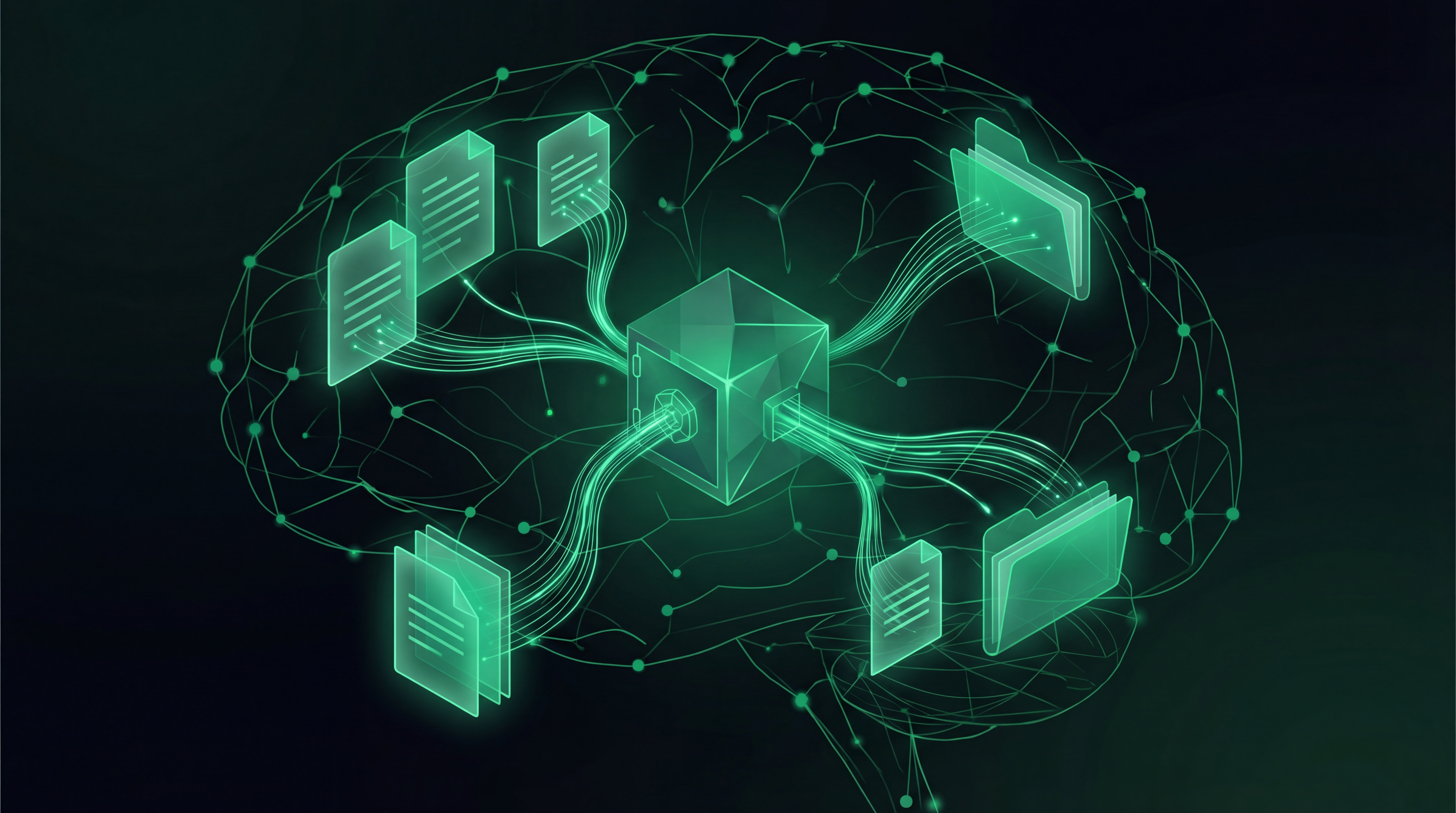
GDPR's core principle is clear: minimize data, delete what you don't need, don't keep it longer than necessary. The EU AI Act's message is equally clear: document everything, maintain comprehensive records, keep them available for regulators.
For companies operating AI systems under both regulations, these competing demands create a genuine tension. This article provides practical strategies for balancing GDPR data minimization with EU AI Act documentation requirements.
The Tension
GDPR Says:
- Data minimization (Art. 5(1)(c)): Process only data that is adequate, relevant, and limited to what is necessary
- Storage limitation (Art. 5(1)(e)): Keep personal data only for as long as necessary for the processing purpose
- Right to erasure (Art. 17): Delete personal data upon request (with exceptions)
- Purpose limitation (Art. 5(1)(b)): Don't repurpose data beyond the original collection purpose
EU AI Act Says:
- Technical documentation (Art. 11): Maintain comprehensive documentation throughout the AI system's lifecycle
- Record keeping (Art. 12): Automatic logging of AI system operations for traceability
- Data governance (Art. 10): Document training data characteristics, collection methods, and quality measures
- Post-market monitoring (Art. 72): Continuous monitoring and documentation of system performance
- Retention period: Documentation must be kept for 10 years after the high-risk AI system is placed on the market
Where the Conflict Gets Real
Training Data Records
The AI Act requires you to document your training data — its sources, characteristics, preparation methods, and bias assessments. If your training data contains personal data, GDPR says you should delete it when it's no longer needed for the original purpose.
The problem: Can you delete the training data but keep the documentation about it? The AI Act requires you to demonstrate data quality and bias mitigation — which may require access to the actual data, not just metadata.
Operational Logs
The AI Act requires automatic logging of AI system operations. These logs may contain personal data — input data, decisions made, user identifiers. GDPR says this personal data should be minimized and deleted when no longer needed.
The problem: How long should you keep operational logs? Long enough for AI Act compliance and regulatory inspection, but not so long that you violate GDPR storage limitation?
Erasure Requests
When an individual exercises their GDPR right to erasure, you must delete their personal data. But if that data appears in AI system logs required by the AI Act, deletion may create gaps in your compliance records.
Practical Strategies
Strategy 1: Separate Documentation from Data
Keep your AI Act documentation — technical specifications, risk assessments, test results — separate from the personal data used to generate them.
- Document training data characteristics (statistical properties, distributions, representativeness) rather than storing the data itself
- Use anonymized or aggregated summaries for bias assessments rather than retaining individual-level data
- Keep model performance metrics and test results without retaining the test data
Strategy 2: Pseudonymize Operational Logs
AI Act logging requirements don't necessarily require identifying individuals. Design your logging to capture the information needed for traceability without personal identifiers.
- Use pseudonymous identifiers in logs, with mapping tables stored separately
- When an erasure request comes in, delete the mapping — the logs remain useful for AI Act compliance but are no longer personal data
- Log AI system behavior (inputs, outputs, confidence scores) without logging who triggered each interaction
Strategy 3: Define Clear Retention Periods
Create a retention policy that addresses both regulations explicitly:
- Training data: Retain for model validation period, then delete personal data while keeping anonymized statistical summaries
- Operational logs (pseudonymized): 10 years (AI Act requirement for high-risk systems)
- Technical documentation: 10 years after system decommissioning
- Bias assessment data: Delete after assessment, retain anonymized results
- User interaction data: Minimum necessary period, pseudonymized for longer retention
Strategy 4: Design for Erasure from Day One
Build your AI systems with GDPR erasure in mind:
- Modular data architecture: Separate personal data from AI system data so erasure doesn't compromise compliance records
- Differential privacy: Train models with differential privacy guarantees so individual data points can't be extracted from the model
- Regular retraining cycles: Schedule periodic model retraining so erasure requests can be incorporated into the next training cycle
Strategy 5: Document Your Balancing Decisions
Whatever approach you take, document your reasoning. When GDPR and the AI Act create genuine tensions, regulators will want to see that you've:
- Identified the specific conflict
- Considered both regulations' requirements
- Chosen the approach that best satisfies both
- Implemented safeguards to minimize any negative impact
- Made the decision with appropriate legal and technical input
A Sample Retention Policy
Here's a template for an AI system retention policy that addresses both GDPR and the AI Act:
- Personal training data: Deleted after model training and validation. Statistical summaries and data quality reports retained for 10 years.
- Model artifacts: Retained for system lifecycle + 10 years. No personal data in model weights (verified through privacy testing).
- Operational logs: Pseudonymized at point of capture. Retained for 10 years. Mapping tables deleted upon erasure request.
- Test and validation records: Anonymized test results retained for 10 years. Raw test data deleted after validation.
- Risk assessments: Retained for 10 years. Updated with each significant system change.
- Incident records: Retained for 10 years. Personal data pseudonymized within 30 days of incident resolution.
The Key Takeaway
GDPR and the AI Act aren't irreconcilable — but they do require thoughtful design. The companies that build data architectures with both regulations in mind from the start will find compliance manageable. Those that treat them as separate problems will find themselves stuck between contradictory requirements.
Need help designing a compliant data architecture for your AI systems? Contact us for a consultation.
Dr. Dario Sitnik
CEO & KI-Wissenschaftler bei Sitnik AI. Promotion in KI mit Expertise in Machine Learning, NLP und intelligenter Automatisierung.